Disclosure:
This article may contain affiliate links. If you buy from this link, we may earn a small commission at no additional cost to you
“Identify the different types of low-carb diet sources and their effect on weight loss, insulin resistance, and cardiovascular health. Discover the plans and suitable health goals.”
Introduction:
The concept of low-carbohydrate diets is widely accepted and popular for controlling diabetes and achieving good health outcomes. You may be seeking overall health benefits and want to adopt good health habits. Should know about lower-carbohydrate foods and their better outcomes. These ideas lead to better decisions for long-term benefits.
This brief article guides low-carb diets. There are various types of food items supported by scientific evidence. It covers multiple parameters, including metabolism, weight loss strategies, diabetes, and heart health, among others.
What Is a Low-Carb Diet?
Now, it's a significant step toward reducing carbohydrate intake and lowering sugar levels. Essentially, we identified them in various forms, including artificial sugars and natural sugars, as well as some items such as sugar, food products, cereals, and sweet fruits. Eating a balanced diet that includes good fats, low-carbohydrate foods, and proteins is a good idea. Also read about keto-diet low carb
Why Reduce Carbohydrates?
You know, our primary source of energy is from carbohydrates. Reducing your consumption of carbohydrates, refined, street food, like processed, semi-processed foods, along with added sugars and fatty foods, increases the risk of being overweight, diabetes, and heart problems. If we identify and adopt better, low-carbohydrate dietary options early on, it greatly benefits our health.
If it reduces carbohydrate intake, it has tremendous health benefits.
- Helps to burn fat
- Control the glucose levels
- Satisfy the satiety
Types of Low-Carb Diets:
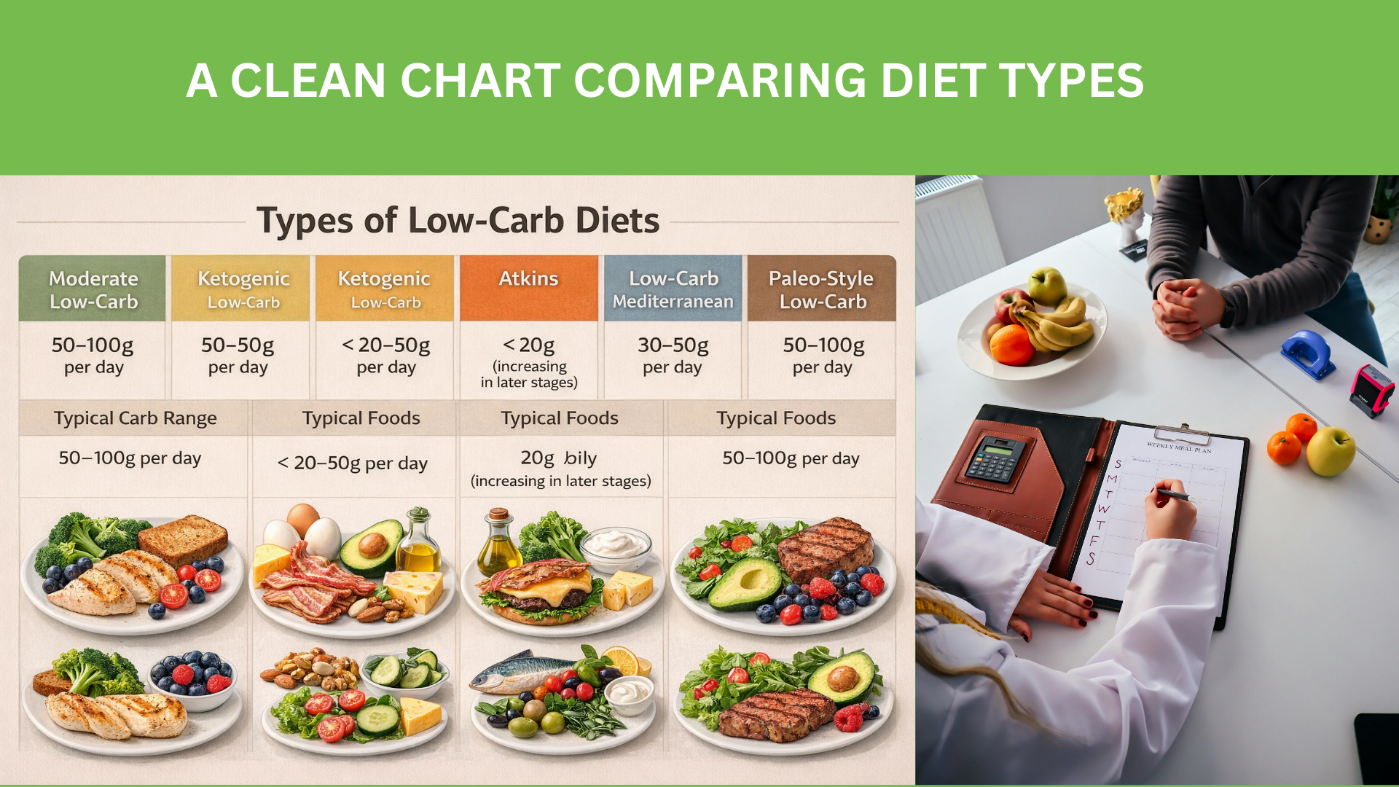
There is no single strategy for low-carb diets; instead, there are numerous types that depend on individual dietary habits. Over the years, people's interest in low-carb diets has increased, and there is no clear mandate for the role of carbohydrates in daily intake, as it depends on body weight and preexisting conditions. To know more about carbs also read for difference between natural sugars and added sugars
1. Ketogenic Diet (Keto):
- Carbohydrate: On average, intake comes under 20-50g each day
- Aim: Achieve the proper metabolic state known as ketosis. Here, our bodies burn fat for energy.
- Typical foods: This diet needs avocado, cheese, coconut oil, and butter.
- Suitable for: Proper weight management; helps manage epilepsy and promotes good insulin sensitivity.
2. Atkins Diet:
- Phases:
- Phase one primarily: <20g carbs/day
- Then, later phases slowly increase carbs
- Focus: Primarily, it's for taking in more protein and fats, and gradually introducing carbohydrates.
- Suitable for: Those who look for long-term weight management
3. Paleo Diet (Low-Carb Variation):
- Carbohydrate intake: Mo. It's an ancient diet style, before agricultural food. Here, there are also minimal carbs, and it depends on the specific product.
- Focus: This removes processed and semi-processed foods, grains, legumes, and dairy products.
- Need for: Those seeking a whole-foods, ancestral approach with a low-carb focus.
4. Carnivore Diet:
- Carbohydrate intake: In this Zero or near-zero
- Focus: Non-vegetarian food, including seafood, fish, country meat, country eggs, and dairy products.
- Ideal for: a short-term elimination diet to address autoimmune or digestive issues.
5. Eco-Atkins (Plant-Based Low-Carb Diet):
- Carbohydrate intake: It's ideal for 100 grams/day
- Focus: Plant-based proteins like tofu, legumes (limited), and nuts
- Ideal for: Vegans or vegetarians seeking low-carb benefits
Health Outcomes of Low-Carb Diets:
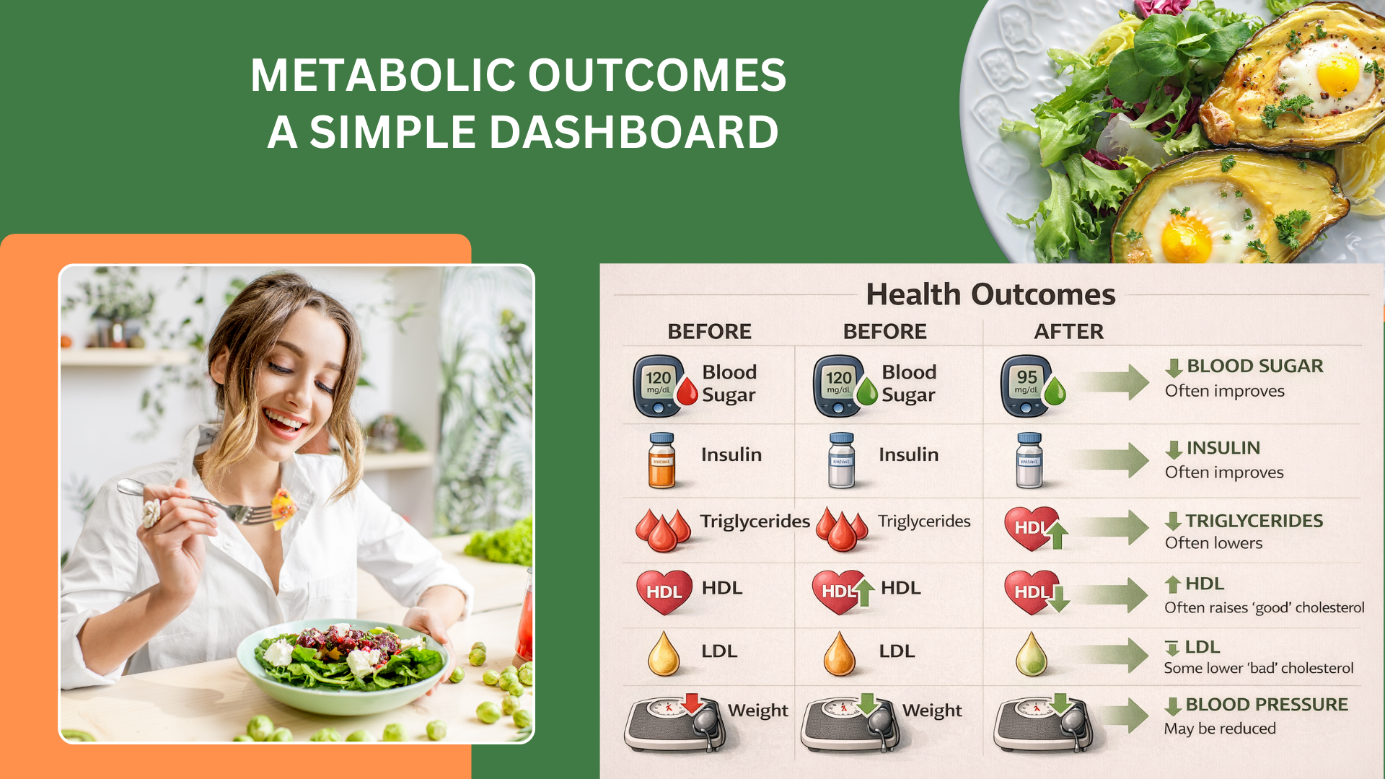
A significant amount of research has been conducted on low-carb diets. Benefits and outcomes vary from person to person. Given their dietary habits, the level and condition of their current health are satisfactory. Body types, age, and other factors can significantly impact the results.
1. Weight Loss:
In managing weight loss, numerous studies have confirmed that diet plays a crucial role in achieving and maintaining weight loss.
- Mechanism: Minimises insulin levels, enhancing fat burning instead of glucose.
- Satiety: Carbohydrate intake alone cannot induce satiety; combining it with protein and fat leads to faster carbohydrate and sugar depletion.
A 2020 study in the Journal of Nutrition found that individuals on low-carb diets lost twice as much weight as those on a high-fat diet.
2. Blood Sugar Control and Insulin Sensitivity:
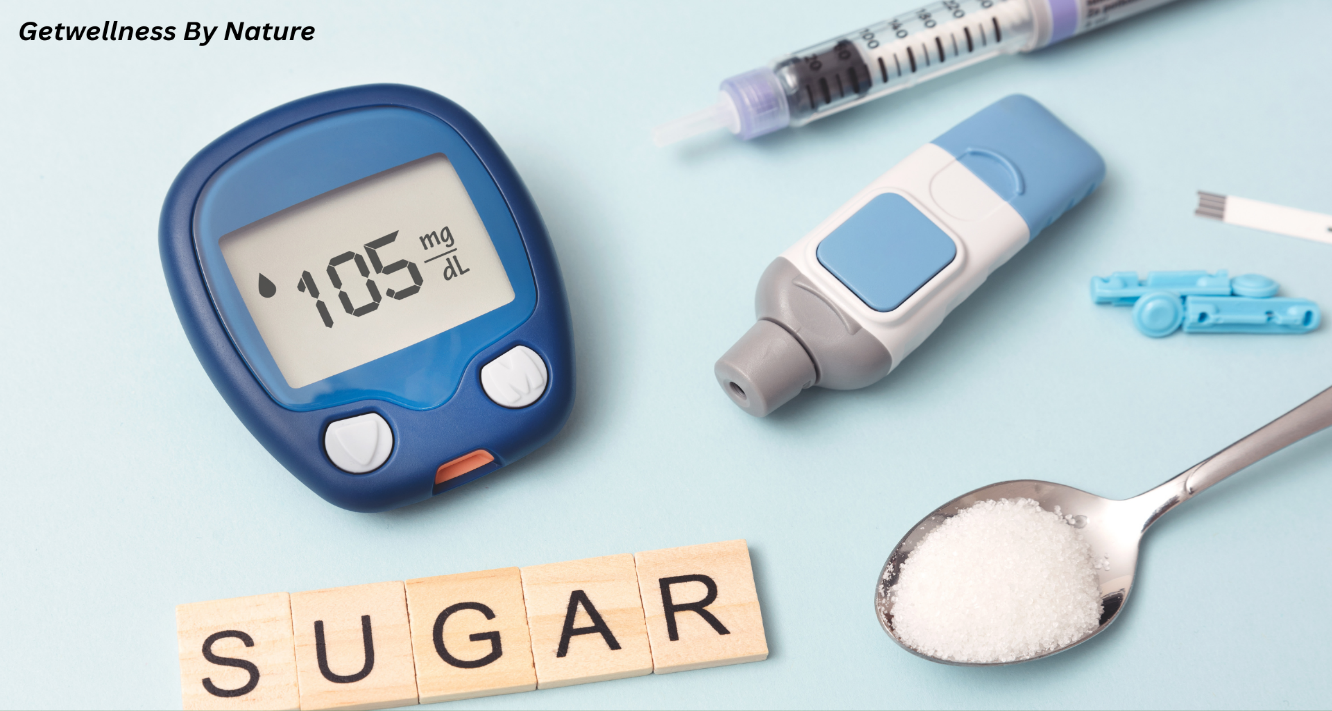
The people who are suffering from type II diabetes and or with insulin resistance need to follow low-carb diets. There are required proteins and fats, along with minimal carbohydrates.
- Effect: Reduces the lower spikes of glucose levels in pre- and post-prandial
- Improvement: Following a low-carb diet helps control or eliminate the need for diabetic medications.
The American Diabetes Association recognises low-carb eating patterns as a viable strategy for managing type 2 diabetes.
3. Heart Health:
An increased intake of fat may be beneficial for weight loss and for lower carbohydrate intake. It may also cause harm to the heart. Carbohydrate intake is lower, and higher fat and protein intake requires dietary or doctor supervision. Its long-term effects may lead to adverse cardiovascular and overall health effects, especially problems associated with Trans and saturated fats.
A 2022 meta-analysis in the British Medical Journal found that low-carb diets may reduce cardiovascular risk factors when done with healthy fat sources.
Digital Blood Pressure Monitor
Low-carb diets improve heart health markers. An upper-arm BP monitor tracks your cardiovascular progress accurately at home. Clinically accurate, Stores past readings buy on Amazon.in Digital Blood Pressure Monitor
4. Cognitive Function and Mental Clarity:
Increasing the intake of low-carb, high-fat foods may improve cognitive function and mental fitness. This effect happens when it enters a state of ketosis.
- Theory: Our brain uses the ketones for burning as energy.
- Application: It helps to manage epilepsy conditions and other neurodegenerative conditions.
5. Gut Health:
Gut health depends on the choices we make in our diet.
- Positive: Low-carb carb-diet plan helps to reduce carbohydrates and increase the fibre foods such as green leafy vegetables and nuts. This habit supports the healthy microbiota.
- Negative: Avoiding carbohydrates completely can lead to adverse events for the gut lining due to an imbalance in the microbiota. So, careful selection and proper knowledge are required. It's about a low-carb diet, not the absence of carbs. Regarding gut health also read more Gut Health Diet
Potential Drawbacks and Side Effects:
Low-carb diets are not suitable for everyone; it depends on health conditions, food habits, and lifestyle.
Common Short-Term Side Effects (a.k.a. Keto Flu)
- Fatigue
- Headaches
- Dizziness
- Constipation
The initial and new habit of low-carb eating is more complex and uncomfortable to establish. Sudden changes may lead to severe nutritional imbalance and weakness.
Long-Term Concerns:
- Nutrient Deficiencies: Many nutrients are rich in fruits and vegetables. If its intake is low, it may have a chance to imbalance nutrients.
- Social Restriction: Consuming outside food and unplanned dining out may complicate and disrupt the diet plan and healthy outcomes.
- Sustainability: Some people struggle to maintain a strict low-carb diet over time. Work, lifestyle, frequent travel, and poor diet planning make it challenging to follow a low-carb diet.
Who Should Avoid or Modify Low-Carb Diets?
- Pregnant or breastfeeding women (unless guided by a doctor)
- Individuals with kidney disease
- People with a history of eating disorders
- Athletes requiring high energy levels may need to adjust their carb intake
- Overweight
Need a healthcare expert for a proper, balanced diet plan, especially if you have medical conditions or are on medication. It's needed and required for proper planning of low-carb diets and meal plans, because
Tips for a Balanced Low-Carb Diet:
- Focus on Quality, Not Just Quantity:
- Identify good, healthy fat food sources
- Good protein, plant, and animal
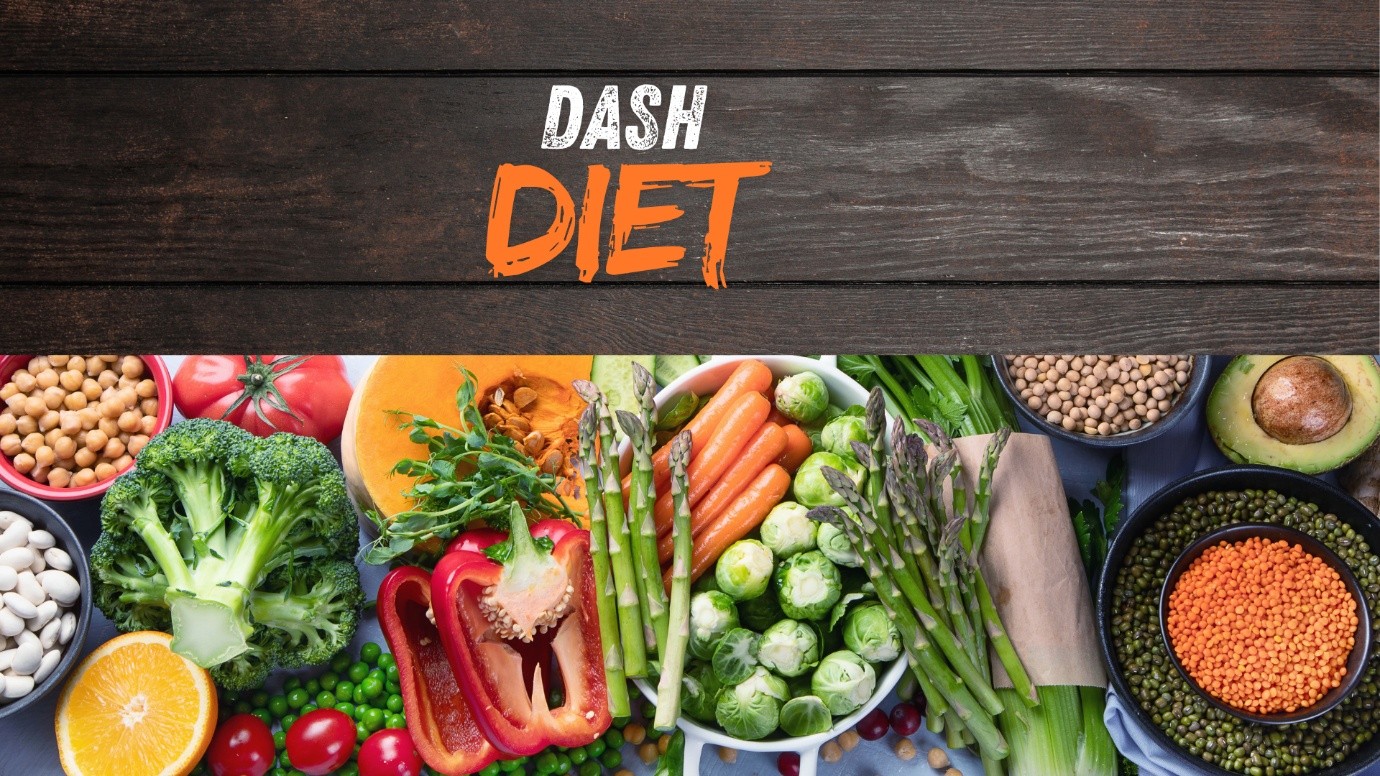
- Focus on spinach, lettuce, and broccoli
- Stay Hydrated and Replenish Electrolytes:
- Proper hydration
- If you feel tired. Need minerals, especially if you're weak, maybe you need electrolytes
- Customize Your Carb Limit:
- To reduce the carb limit, start slowly and seek help from a nutritionist or a doctor.
Blood Glucose Monitor (Glucometer)
See how different kinds of foods changes happen your blood sugar. It’s needed for managing insulin resistance and diabetes on a low-carb plan. For smart choices Blood Glucose Monitor buy on Amazon.in Blood Glucose Monitor
Smart Body Composition Scale
Conclusion:
The low-carb intake idea is more sophisticated. It also helps control the severity of chronic diseases, improves insulin sensitivity, and reduces the complications of other chronic diseases. Suitable for maintaining weight management.
References:
1. Robert Oh 1, Brian Gilani, Kalyan R. Uppaluri, Low-Carbohydrate Diet, In: StatPearls [Internet]. PMID: 30725769, Bookshelf ID: NBK537084, Treasure Island (FL): StatPearls Publishing; 2025 Jan.2023 Aug 17.
2. https://www.csiro.au/en/news/all/articles/2019/september/low-carb-diet-scientifically-proven
3. Celeste E Naude, Amanda Brand, Low-carbohydrate versus balanced-carbohydrate diets for reducing weight and cardiovascular risk, Cochrane Database Syst Rev, 2022 Jan 28;1(1): CD013334, doi: 10.1002/14651858.CD013334.pub2.
4. Giovanni Antonio Silverii, Claudia Cosentino, Effectiveness of low-carbohydrate diets for long-term weight loss in obese individuals: A meta-analysis of randomised controlled trials, Diabetes Obes Metab, 2022 Aug;24(8):1458-1468, doi: 10.1111/dom.. 14709. Epub 2022 May 26.
5. Arshag D. Mooradian, The Merits and the Pitfalls of Low Carbohydrate Diet: A Concise Review, https://doi.org/10.1007/s12603-020-1417-1, Volume 24, Issue 7, July 2020, Pages 805-808