Disclosure:
This article may contain affiliate links. If you buy from this link, we may earn a small commission at no additional cost to you
“Discover the best and healthiest keto diet meal plan for those who want to start. Let's move your journey with a low-carb lifestyle, featuring convenient-to-low tips, a diet plan, and sample menus for effective weight loss and an energy boost.”
Introduction to the Keto Diet:
Firstly, for energy, the body utilises carbohydrates as its primary source. Carbohydrates are the primary source of energy. Another option is from fats and proteins. Need a keto meal plan or a Low-Carb Guide for beginners? The idea behind Introduction to the Keto Diet is that fats are the primary source of energy. Why? High fat accumulation in the body needs to be converted into energy. In this process, fats are broken down and formed into ketones. If the body utilises only carbohydrates and very little fat, it can lead to many other disorders, like diabetes and obesity. Burning or utilising excess fat is a good option for proper energy utilisation.
Obesity-induced complications align with diabetes, hypertension, and hyperlipidaemia. Suppose weight gain complications are associated with reducing the risk of diabetes, obesity, and other disorders, and the primary objective is to reduce weight. Many different methods are available for weight reduction. However, the keto diet remains one of the most effective options for weight loss. This advised diet is high in fat, low in protein, and high in carbohydrates. This approach to weight reduction helps achieve rapid results, focusing on the Best Keto Diet Meal Plan. Read more about The role of diet in managing Diabetes
Benefits of the Keto-Diet:
Obesity and overweight management can be positive results of the keto diet. Type-2 diabetes patients who are overweight and obese may have a high risk. A ketogenic diet helps to reduce weight, and significantly, it helps to mitigate the complications of glycaemic levels, hypertension and cancer. It also reduces the waist circumference. It has a significant impact on managing triglyceride levels and improving high-density lipoprotein levels. In patients with obesity-induced diabetes, effective management of diabetes needs to reduce weight loss. This ketogenic diet is a good option.
Diabetes Keto-Diet:
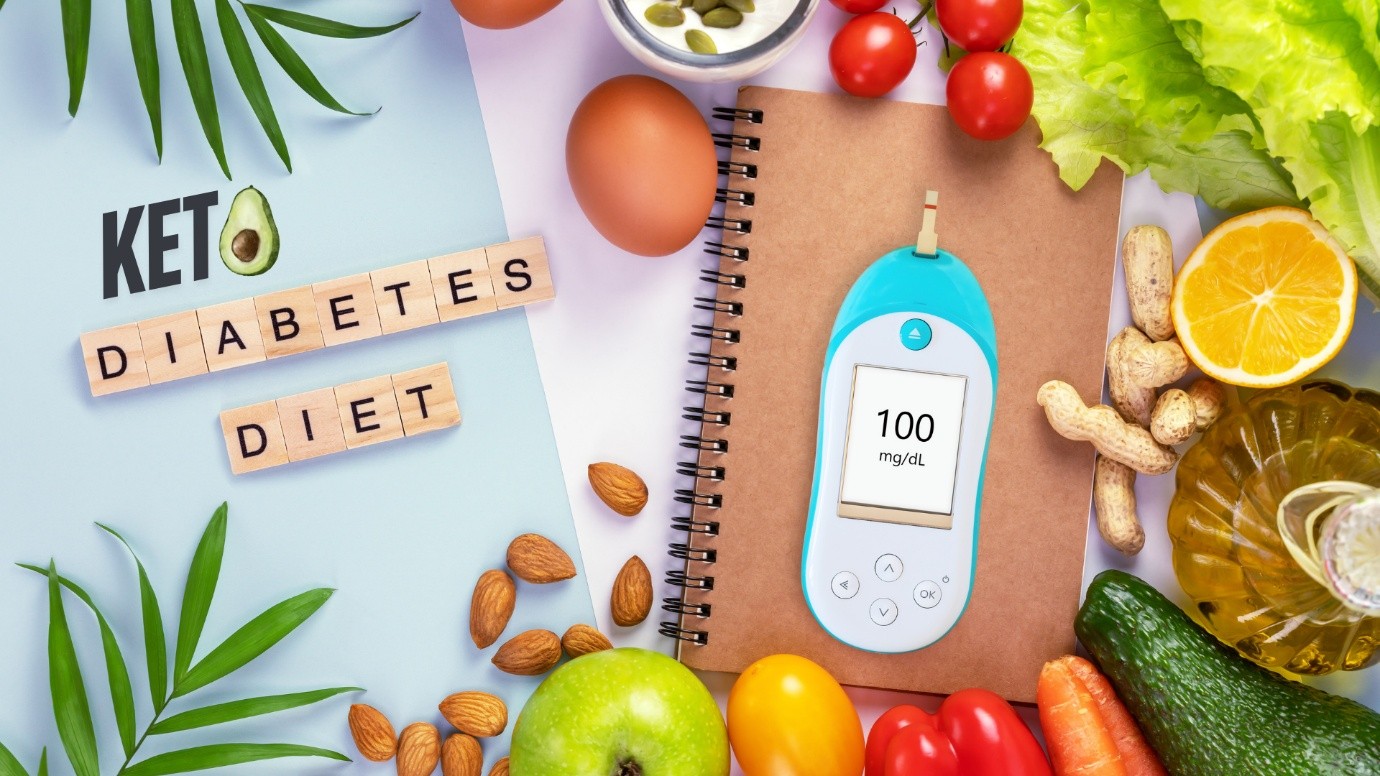
A ketogenic diet is very popular for managing weight loss and diabetes. It's effective in a 3–6-month duration. Long-term usage is debatable. And sequential benefits in diabetes by the keto-diet process. In diabetes, patients might have high glucose levels, and the ideal goal of diabetes is to reduce the sugar levels. The Best Keto Diet Meal Plan helps lower glucose levels effectively due to its low carbohydrate intake, optimal protein intake, and high fat consumption. This drastic reduction of carbohydrates automatically lowers glucose levels. This lower level of glucose significantly reduces the insulin levels. These reduced insulin levels result in the low production of cholesterol and triglycerides. In the long term, no proven safety profile has been observed. For further information and guidance, it is advisable to consult a physician.
Keto-Diet Cardiovascular Health:
The keto diet is more effective for cardiovascular health. According to research, this diet is beneficial in treating various diseases: heart, diabetes and other chronic diseases, including brain stroke. The concept of the keto diet, which involves high fat, lower protein, and very low carbohydrate intake, is beneficial for heart health. A low level of carbohydrates allows the burning of deposited fats and the formation of ketones.
This diet enables effective management of the lipid profile. Lipid profile parameters observed in a balanced lipid profile achieved through the ketogenic diet. Lipid profiles include total cholesterol, high-density lipoprotein (HDL), low-density lipoprotein (LDL), and triglycerides, which are established and balanced by a keto diet. In this process of fat consumption, foods such as avocado, seafood, and olive oil, as well as other good fat sources, help manage the lipid profile. They observed in studies that lipid profiles showed increased HDL and decreased LDL and triglycerides. Also helped a lot with weight loss. Long-term usage data has not been established. Overconsumption of fats is also a disadvantage. For this, a proper physician's opinion is beneficial. Read more about omega 3 fatty acids
Ketogenic Diet foods:
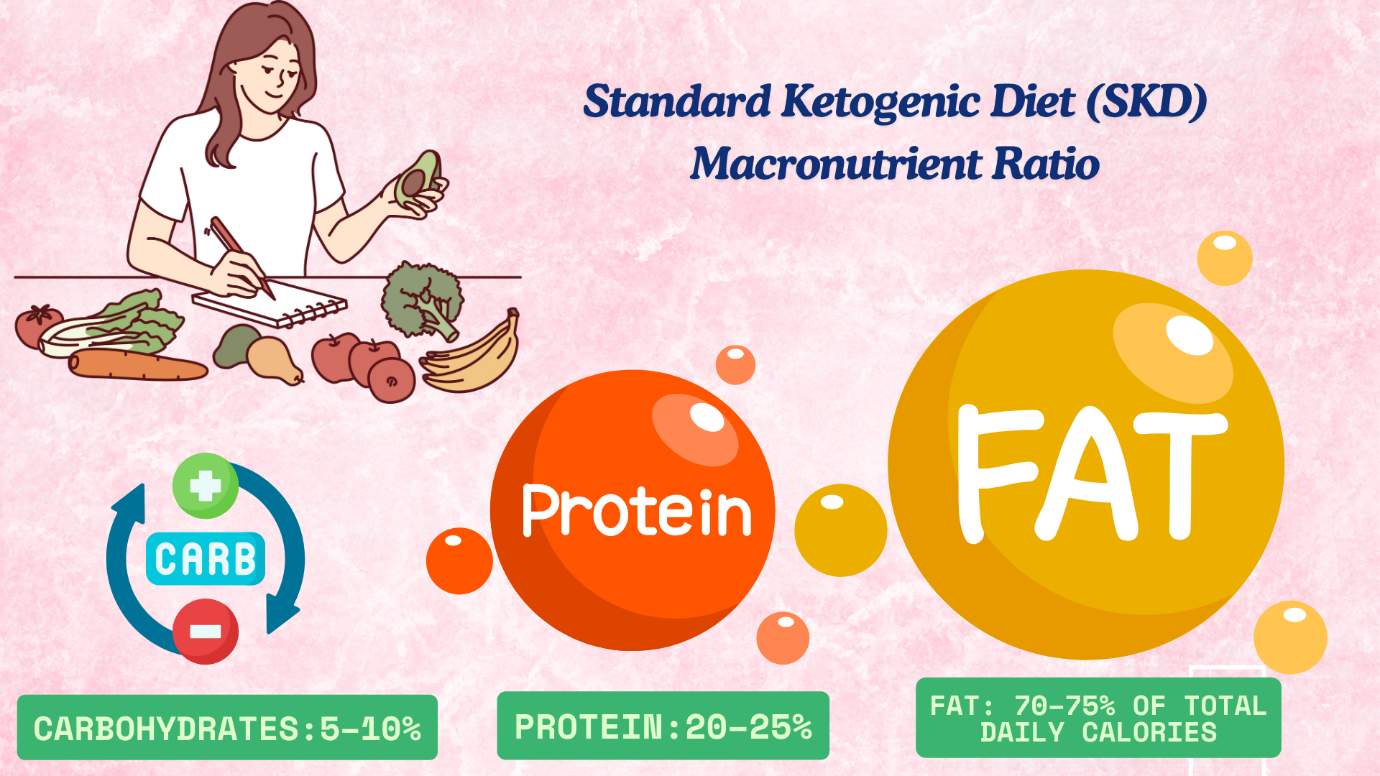
To manage a ketogenic diet, one needs knowledge of the Keto Diet, and appropriate proportions are required, such as 70% fat, 5% protein, and approximately 25% carbohydrates. These percentage calculations are not standardised but may be split accordingly.
Food that needs to be added:
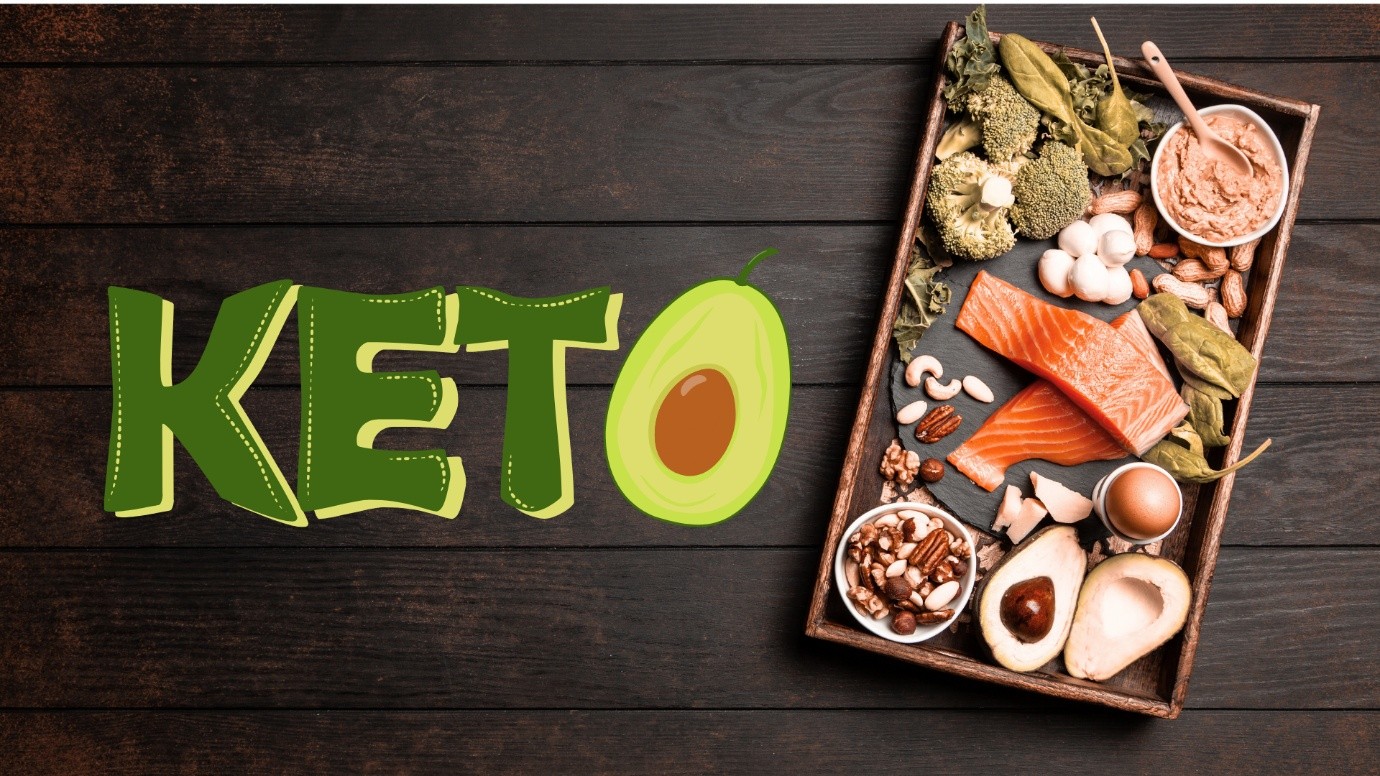
This mainly focuses on fats. When we are having a meal, there should be a greater proportion of chicken with skin, beef, and high-fat salmon. Fats containing oils like avocado, butter, and coconut oils are included in this. Vegetables such as broccoli, spinach, and cauliflower are excellent options. There is a need for good water consumption.
Food that needs to be avoided:
Processed and semi-processed foods need to be avoided due to their potentially harmful effects and numerous disadvantages. Readily available items like bread, pasta, and fast-cooking breakfast items, such as oats, should be avoided. Natural or added sugars are high quantities of sugar. The primary objective of the Introduction to the Keto diet is to reduce carbohydrate intake. So, fruit juices may come from a natural source, but still have high sugar levels. Added sugars are also found in drinks. Sugar and carbohydrates need to be reduced in this plan. Some vegetables, such as potatoes, contain large quantities of carbohydrates and should be consumed in moderation. In the category of grain and starch, foods should also be avoided due to the high levels of fat. Some fruits are delightful; they may be natural, but you still need to avoid them, such as mangoes and sweet bananas.
Keto diet plan:
In this best keto diet meal plan, the aim is to consume the lowest amount of carbohydrates and the highest amount of fats. Let's review a sample one-day diet plan. For a comprehensive diet plan, consider consulting a nutritionist or subscribing to a specialized service.
Breakfast:
Morning:
Eggs are a good source of fat, and for breakfast, we can prepare scrambled eggs in a pan by adding a little salt for flavour. Another day, we can also have scrambled eggs with spinach and cheese.
Snack Break:
Snacks are a good break from food. It should be yummy and tasty, especially since we are on a diet, and include good fat sources. Eating an avocado with salt is beneficial for the healthy fats.
Lunch:
Instead of the other oils, olive oil is the only preferred oil. Avoid skin chicken; prefer grilled chicken with olive oil. For this, include lettuce leaves and cucumber.
Evening Snack:
Adding cheese cubes to yoghurt, chia seeds, and walnuts is beneficial for your health.
Dinner:
In terms of meat, salmon is good for health. It's better to roast asparagus along with applying butter. Sometimes, having mushrooms is something different to try.
Are You Really in Ketosis? Here's How to Find Out
One of the most common questions every keto beginner asks in Week 1 is: "Am I actually in ketosis, or am I just imagining it?"
The simplest, cheapest way to find out is with urine ketone test strips. You dip a strip into your urine, wait 40 seconds, and the colour change tells you whether your body is producing ketones — and roughly how much.
A reliable, budget-friendly option for Indian readers is the Biowick Urine Test Strips for Ketone & Glucose (100 strips). At under ₹1,300 for 100 strips, that's enough for 3+ months of daily testing — making it the cheapest "Am I doing this right?" tool you'll ever buy.
When to test: Best results come 2–3 hours after waking up, or before dinner. Avoid testing first thing in the morning — it can show falsely high readings due to overnight dehydration.
Bulletproof Coffee: The Beginner's Secret Weapon
One of the easiest ways to slip into ketosis on Day 1 is to start your morning with a cup of bulletproof coffee — black coffee blended with grass-fed butter and MCT oil. The medium-chain triglycerides in MCT oil are absorbed straight by the liver and converted into ketones almost instantly, giving you that clean, sharp energy keto is famous for.
If you've never bought MCT oil before, look for one that is C8-rich and 100% coconut-sourced (no palm oil, no fillers). A bottle I'd recommend for beginners is the Carbamide Forte Pure MCT Oil C8 (500 ml) on Amazon.in — it's flavourless, mixes well into coffee or smoothies, and one bottle lasts 4–6 weeks of daily use.
The One Tool That Separates Successful Keto Beginners from the Rest
Here's a hard truth most keto blogs won't tell you: you cannot eyeball your way to ketosis.
The keto diet plan works on a strict carb budget — generally under 20–50 grams of net carbs per day. Reality if you actually start weighing your food, you realise just how easily you can go over that limit. A "small" handful of cashews? 15g of carbs. A "thin slice" of bread? 18g. It adds up fast.
This is why a digital kitchen scale is the single highest-return investment a keto beginner can make. I recommend the Amazon Basics Digital Kitchen Scale — it's compact, weighs up to 5 kg in 1g increments, has a tare function (so you can subtract bowl weight), and costs less than a couple of restaurant meals.
References:
1. Wajeed Masood, Pavan Annamaraju, Ketogenic Diet, PMID: 29763005 Bookshelf ID: NBK499830, In: StatPearls [Internet]. Treasure Island (FL): StatPearls Publishing; 2025 Jan. 2023 Jun 16, Wajeed Masood 1, Pavan Annamaraju 2, Mahammed Z. Khan Suheb 3, Kalyan R. Uppaluri.
2. Chong Zhou, Meng Wang 2, Jiling Liang, Ketogenic Diet Benefits to Weight Loss, Glycemic Control, and Lipid Profiles in Overweight Patients with Type 2 Diabetes Mellitus: A Meta-Analysis of Randomized Controlled Trails, PMID: 36012064, PMCID: PMC9408028, Int J Environ Res Public Health, 2022 Aug 22;19(16):10429, doi: 10.3390/ijerph191610429.
3. Joshi Shilpa, Viswanathan Mohan, Ketogenic diets: Boon or bane? PMCID: PMC6251269 PMID: 30425213, Indian J Med Res. 2018 Sep;148(3):251–253. doi: 10.4103/ijmr.IJMR_1666_18.
4. Damian Dyńka, Katarzyna Kowalcze, The Ketogenic Diet and Cardiovascular Diseases, PMID: 37571305, PMCID: PMC10421332, Nutrients, 2023 Jul 28;15(15):3368, doi: 10.3390/nu15153368.