Affiliate Disclosure: This article contains affiliate links. If you purchase through these links, we may earn a small commission at no extra cost to you. This helps support our research and content creation.
"Discover how proper diabetes management supports blood sugar level control. How it prevents potential complications and improves the quality of life with practical tips on diet, to enhance a sound quality of life."
Introduction:
Now the world is becoming silently diabetic; it's a chronic metabolic disorder. Diabetes is a chronic disorder that has two types: type 1 and type 2. Its condition is characterised by an inability to produce sufficient insulin or by the body's failure to respond to insulin. Now it also affects a very early age, because diet and lifestyle factors play a role. As per the International diabetes Federation, in 2021, 537 million adults suffered from Diabetes. And now the number will increase unexpectedly to a very high level.
Since it's a metabolic disorder, the goal is to maintain the correct physiological conditions. Managing Diabetes is not complex; it's regular physical and lifestyle changes. Why is it becoming hard? Because we are becoming swamped, and without physical work, we are getting everything ready. In the fast lifestyle of this globalised world, we are very busy with projects and the software era. This little article explores the concept of Diabetes and offers tips for managing it.
Understanding Diabetes: A Quick Overview
Types of Diabetes:
Type 1 Diabetes: The pancreas is a organs produces insulin. In some conditions, the pancreas is unable to produce sufficient insulin.
Type 2 diabetes: It's a metabolic disorder in which the pancreas produces insulin, but the body cannot utilise it effectively.
Gestational Diabetes: During pregnancy, Gestational Diabetes develops. Gestational Diabetes is complicated for both the mother and the child. Generally, this type of gestational Diabetes will go away after childbirth. For information also read Low-Carb diete how influence Overall Health and Diabetes
Why Diet Matters in Diabetes:
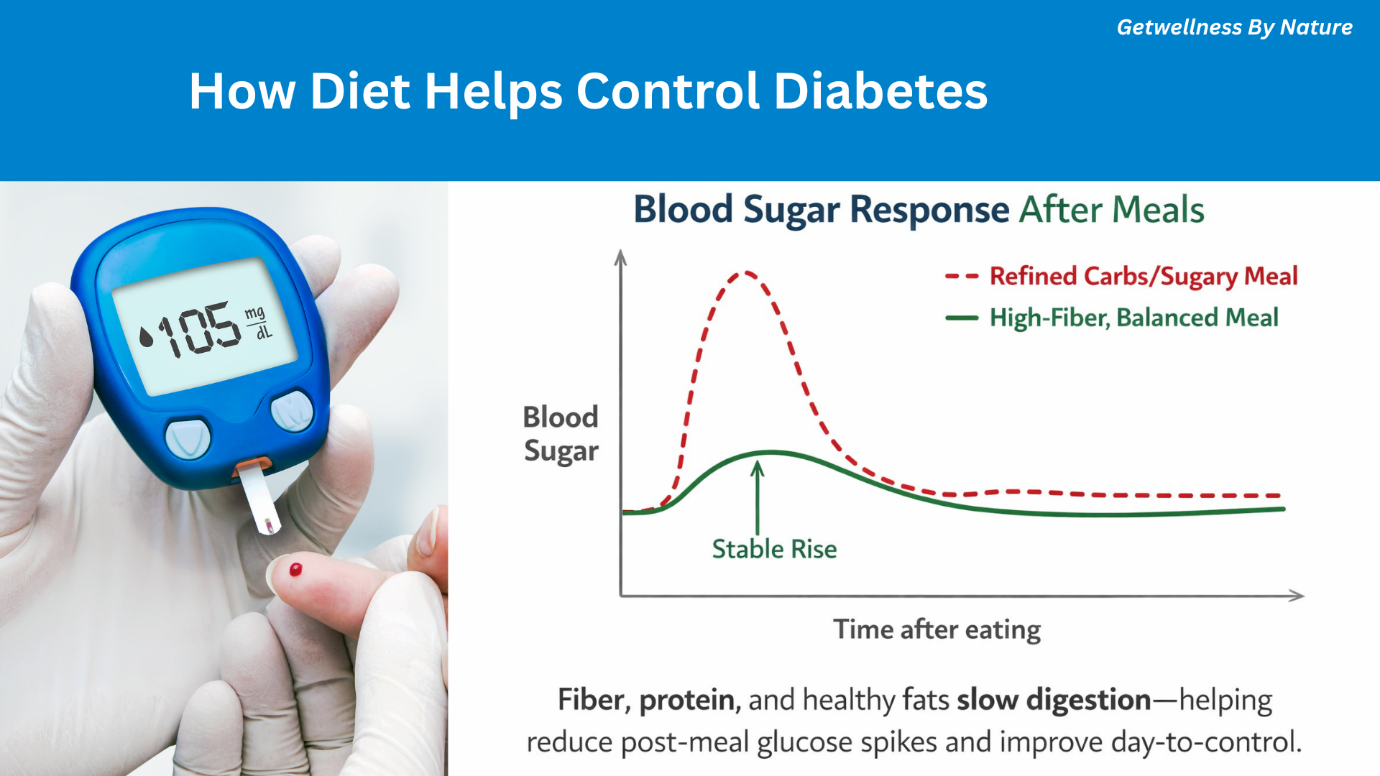
Blood sugar spikes depend directly on carbohydrates, which are broken down into glucose particles, affecting insulin demand. Hence, managing your intake of macronutrients—carbohydrates, proteins, and fats—is crucial to avoid glycaemic spikes.
Diet is essential in Diabetes:
When we consume carbohydrates, glucose levels spike directly. Carbohydrates, especially, break down and raise glucose levels, which prompt insulin secretion. For this reason, macronutrients like protein, carbohydrates, and fats affect glycaemic levels in the body. Carbohydrate intake is higher and cannot be balanced with macronutrients, leading to long-term effects of Diabetes. Along with lifestyle factors, this condition is also affected.
Core Principles of a Diabetes-Friendly Diet
1. Carbohydrate Control:
The idea of managing Diabetes is to select wisely low glycaemic foods. Because we cannot avoid carbohydrates altogether, we need them too. An ideal low-glycemic index food selection is a good idea. It produces a low spike in blood glucose levels. Glycaemic index is a measure of normal or diabetic. Also read more about balanced diet and Low carb guide
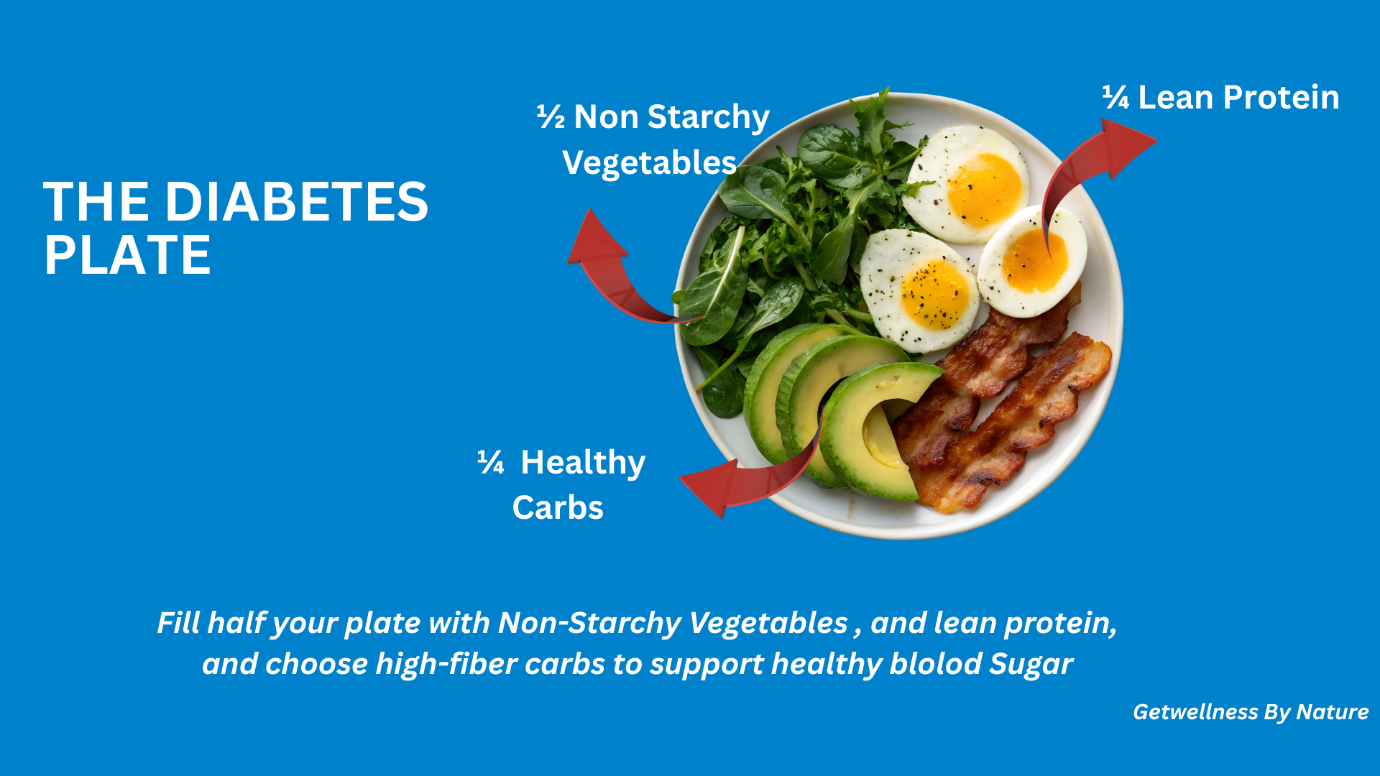
Recommended low-GI foods:
· Low glycaemic index foods
· Oats, quinoa, and barley
· Lentils and legumes
· Select non-starch vegetables and potatoes.
· If fruits select apples and berries
2. Increase Dietary Fibre:
Fibre is essential for managing Diabetes because it is a type of carbohydrate that our digestive system cannot absorb. Fibre helps to control blood sugar levels. Not only does Diabetes help other gut health, but it also helps.
· High-fibre food options:
· High fibre vegetables
· Fruits that are high in fibre
· Seeds, whole foods, and nuts
· Concentration taking of high fibre, approximately 25-35 grams daily
3. Select Lean Proteins:
Carbohydrates spike the blood sugar levels. But protein does not raise the blood sugar levels. However, selecting minimally processed foods, plant-based protein sources, or lean animal-based protein is the mandate. The protein helps repair the cell and gives the muscle strength.
Examples include:
· Tofu, tempeh
· Skinless chicken or turkey
· Fish rich in omega-3 (salmon, mackerel)
· Eggs (in moderation)
· Legumes and beans
Healthy Fats Are Essential:
Having good fats supports minimising insulin resistance and overall inflammation.
Include in your diet:
· Avocados
· Olive oil
· Nuts and seeds
· Fatty fish
Avoid:
· Processed and semi-processed food containing Trans fats
· High intake of saturated fats
Best Foods for Diabetes Management:
1. Leafy Greens:
Packed with vitamins and antioxidants and low in calories and carbs. Examples: Spinach, kale, arugula.
When you consume foods rich in vitamins, antioxidants, and minimal calories, they provide carbohydrates.
2. Berries:
Rich in antioxidants and fibre. Good for satisfying sweet cravings without spiking blood sugar.
3. Chia Seeds:
Chia seeds are healthy and high in omega-3 fatty acids. It controls glycemic levels and maintains satiety
4. Cinnamon:
To reduce blood sugar levels, cinnamon helps to reduce insulin resistance, and it's also a kind of spice
5. Greek Yoghurt:
The Greek Yoghurt having well source of probiotics and protein, and also select the unsweetened version.
Foods to Avoid in a Diabetes Diet:
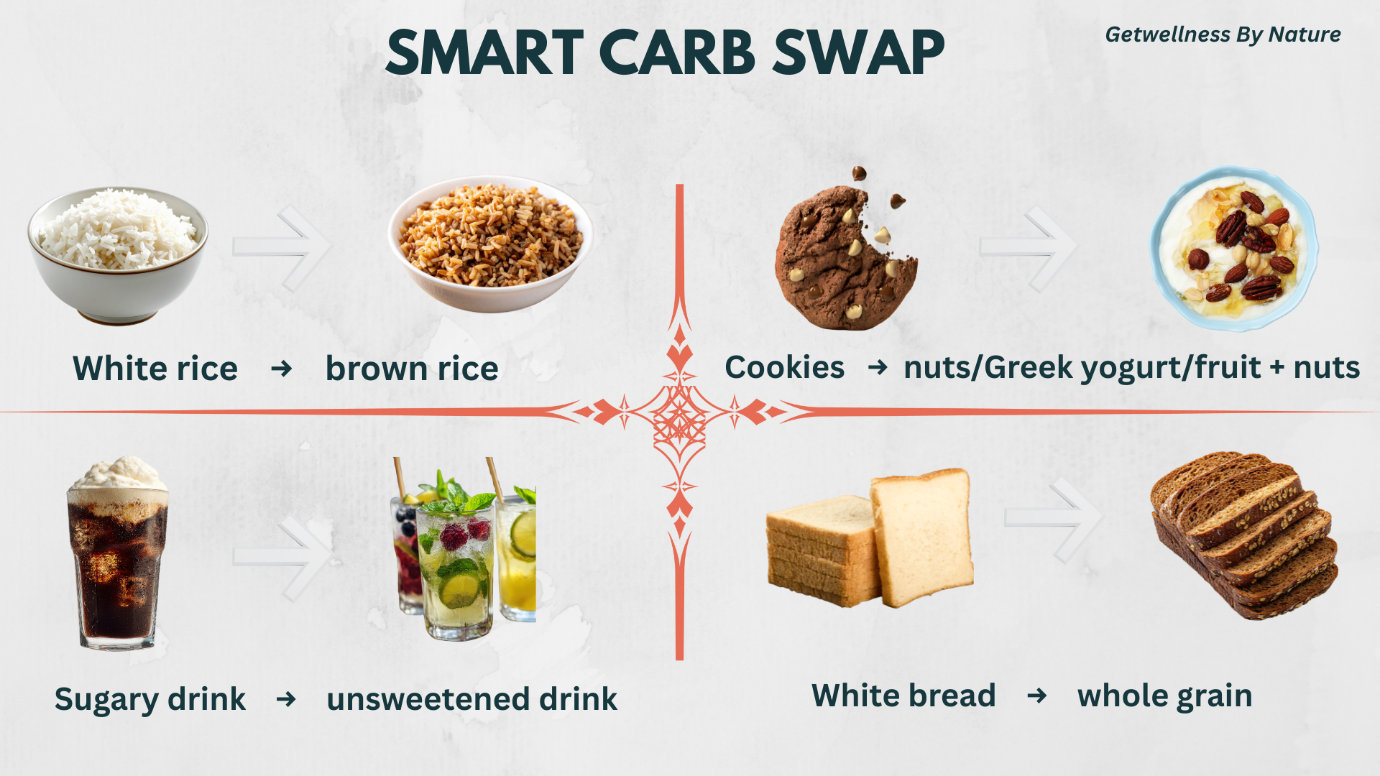
· Sugary beverages (sodas, energy drinks)
· Refined carbs (white bread, pasta, pastries)
· Processed snacks (chips, cookies, sweets)
· Fried foods, processed and junk foods
Meal Planning Tips for Diabetics:
Follow the Glycaemic Index
The GI ranks carbs on how they affect blood sugar. Prefer low to medium.
Check Glycaemic Index
Check the GI (Glycaemic Index) of how they affect blood sugar levels. Manage with minimal to medium intake.
Analyse Carbohydrate Counting
Mainly useful for insulin-resistant and hyperglycaemic individuals. We can manage GI levels by tracking carb intake.
Eat at specific time intervals.
Missing meals may cause hypoglycaemia and a low glycaemic index, which might be caused by overeating. So, regular intervals can help maintain a good glycaemic index.
Keep Hydrate
Maintain good hydration. Otherwise, dehydration can cause elevated blood sugar levels. Hydration can help to maintain glucose levels.
Reduce Sodium Intake
People with hyperglycaemia or hyperinsulinemia have an increased risk of Hypertension when consuming high salt intake. So, reducing salt intake can lower the risk of cardiovascular disease in people with diabetes.
Sample Diabetes diet plan:
Breakfast time:
· One egg boiled
· One piece of whole-grain toast
· One cup of mixed berries
· Green tea or sugarless black coffee
Snack:
· A small number of almonds or walnuts
Lunch:
· A breast piece of grilled chicken
· Half a cup of quinoa
· (Applied with olive oil mixed vegetable salad)
Snack:
· Greek Yoghurt (unsweetened)
Dinner:
· Little Salmon
· Medium boiled broccoli
· A little portion of potato
Post-dinner:
· Warm herbal tea (like cinnamon or chamomile)
Special Dietary Patterns Beneficial for Diabetes:
1. Mediterranean Diet:
Rich in whole grains, legumes, fruits, veggies, and healthy fats. Associated with improved insulin sensitivity. Also read more about Mediterranean Diet
2. A DASH diet for Hypertension:
Suitable for hypertensive people, it's a good option for a natural way to manage Hypertension.
3. Low-Carb or Keto Diet:
It might help to control blood sugar levels. However, it needs the right dietitian to avoid potential nutritional deficiencies.
Supplementation for Diabetes:
· Chromium: Helps with the sensitization of insulin
· Magnesium: Reduced level of magnesium, which is connected to low levels of glycemic control
· Vitamin D: Improves insulin sensitivity.
· Alpha-Lipoic Acid (ALA): In diabetes, diabetic neuropathy is a major symptom, and its reduced its effect by ALA.
Consult your physician before starting any supplement.
It protects organs from potential damage. It helps protect and provides the best protection, as shown below.
* Cardiovascular disease
* Kidney failure
* Nerve damage
* Eye complications
If maintained, a balanced, healthy diet helps protect internal organs and overall health. It can also regulate blood sugar, cholesterol, blood pressure, and weight.
Expert Tips to Stay on Track:
* Note your diet in a diary; this tracking helps to manage blood sugar.
* Talk with a registered dietician (RD) for a personalised plan.
* Use continuous glucose monitors (CGMs) if available.
* Go with the mean plan to avoid an unhealthy, unexpected diet.
1. Accu-Chek Active Blood Glucose Monitor
Globally trusted Swiss brand with proven accuracy. The strips have a wider blood-application area, making it easier for elderly users. Comes with a 10-year warranty on the meter.
Why I recommend it: Accuracy is consistent across years of use, and strips are widely available at every pharmacy in India.
Check price on Amazon.in [Accu-Chek Active Blood Glucose Monitor]
2. Accu-Chek Active Test Strips (50 Pack)
For use with Accu-Chek Active meters. Wider application zone makes blood transfer easier. Tropical packaging variant available for Indian climate — strips stay stable up to 32°C.
Check price on Amazon.in [Accu-Chek Active Test Strips]
3. Doctor Extra Soft Diabetic & Orthopaedic Slippers
India's best-selling diabetic house slipper. Soft EVA sole absorbs shock, the upper has no hard seams, and the wide base reduces pressure on the forefoot. Available for both men and women.
Why this matters: Most diabetic injuries happen at home from walking barefoot. Wearing these slippers indoors is the simplest preventive step you can take.
Check price on Amazon.in [Doctor Extra Soft Diabetic & Orthopaedic Slippers]
Conclusion:
We can't avoid the power of diet to manage Diabetes. To regulate and manage blood sugar levels not only for Diabetes people with Diabetes, but also for healthy individuals. Managing diabetes also benefits overall health. If we have a personalised dietician, it gives good results. Regularly checking glucose levels and maintaining a diary to record our food habits and dietary choices is also suitable for analysing them, and by doing so, we can eliminate unhealthy foods. Please keep in mind that it's not about reducing your desires and preferences for eating; it's about your healthy life and smart eating.
References:
1. https://professional.diabetes.org/standards-of-care?utm_source=chatgpt.com
2. Summary of Revisions: Standards of Care in Diabetes—2026, Diabetes Care 2026;49(Supplement_1):S6–S12, https://doi.org/10.2337/dc26-SREV, PubMed: 41358896
3. The American Diabetes Association Releases “Standards of Care in Diabetes—2026, The American Diabetes Association Releases “Standards of Care In Diabetes—2026
4. Prevention or Delay of Diabetes and Associated Comorbidities: Standards of Care in Diabetes—2025, Diabetes Care 2025;48(Suppl. 1):S50–S58 | https://doi.org/10.2337/dc25-S003
5. Effect of a low-carbohydrate diet on glycaemic control and disease management in type 2 diabetes: results from a prospective free-living trial, BMJ Nutrition, Prevention & Health 2026;0:e001353. doi:10.1136/ bmjnph-2025-001353.
6. Pichanun Mongkolsucharitkula pichanun.mon@mahidol.ac.th ∙ Apinya Surawit, Effectiveness of low-carbohydrate diets on type 2 diabetes: Diabetes Research and Clinical Practice, A systematic review and meta-analysis of randomized contrsolled trials in Eastern vs. Western populations,
7. Da Gong, Wing-Fu Lai PhD, Dietary patterns and type 2 diabetes: A narrative review, https://doi.org/10.1016/j.nut.2025.112905.
8. Po-san Wong , Kewen Wan , Zihan Dai, Effect of 8-Hour Time-Restricted Eating (16/8 TRE) on Glucose Metabolism and Lipid Profile in Adults: A Systematic Review and Meta-Analysis, Nutrition Reviews, nuaf206, https://doi.org/10.1093/nutrit/nuaf206
9. Zhiyong Xiao, Xinhong Yin2, Real-world effect of intermittent calorie-restricted diet on type 2 diabetes remission: a dual-cohort retrospective study, Front. Nutr., 22 September 2025, Se c. Nutrition and Metabolism, Volume 12 - 2025 | https://doi.org/10.3389/fnut.2025.1648314.
10. By Mayo Clinic Staff, Diabetes diet: Create your healthy-eating plan