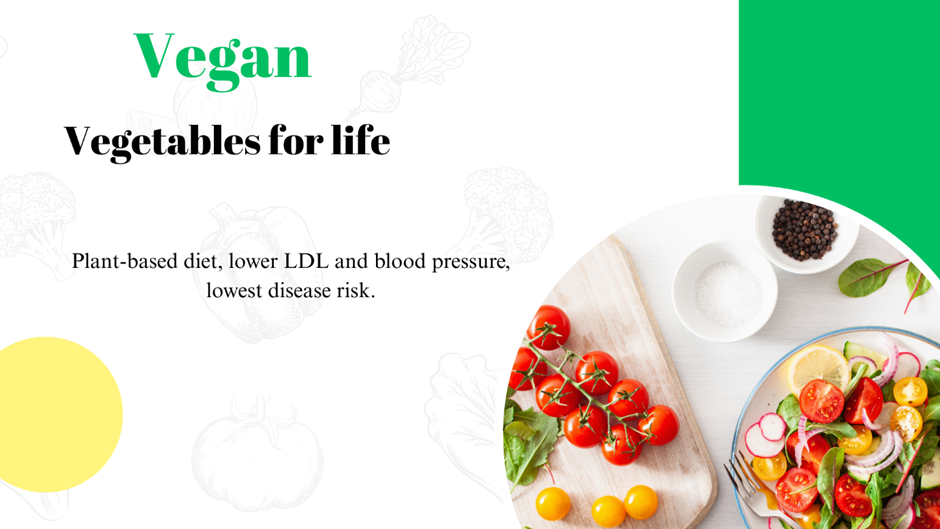
Figure 1 Vegan diets are fully plant-based and linked to lower LDL cholesterol, blood pressure, and disease risk
Introduction:
The food availability through vegetables is a key component of a plant-based diet. Despite having many sources of food available, based on their choices, they are classified into Plant-based, animal-based, and mixed diets. Based on food habits, it is categorised into different types. Vegans are primarily dependent on a plant-based diet, mostly eating vegetables but also including dairy products in their Diet. Non-vegetarians are those who have a habit of eating more meat. The non-vegetarians are also called omnivores, which means they eat both meat and vegetables.
These food habits are divided based on some factors. They divide into religion, culture, and the cultivation of vegetables related to the geographical area of availability. And another thing is based on the person's choices.
A bank of Vitamins and Minerals:
Plant-based diets are rich in sources of multivitamins and minerals. Of course, they contain other nutrients and proteins. Those who hate having the habit of being vegan mean they are entirely dependent on vegetables, and vegetarians have rich resources of multivitamins and minerals in their Diet. Compared to vegetarians, vegans have a rich availability of minerals and vitamins. Dairy and meat have very little. Vegetarians and vegans also obtain plant-based proteins, along with essential multivitamins and minerals.
Cholesterol and Blood Pressure:
Vegetarians and vegans should consume more vegetables in their diet. Vegetarians have more reliability on vegetables and less on dairy items. Vegetarians do not eat meat. Vegans rely heavily on vegetables, even if they do not consume dairy products. Non-vegetarians will have mixed items. Also read more about DASH diet
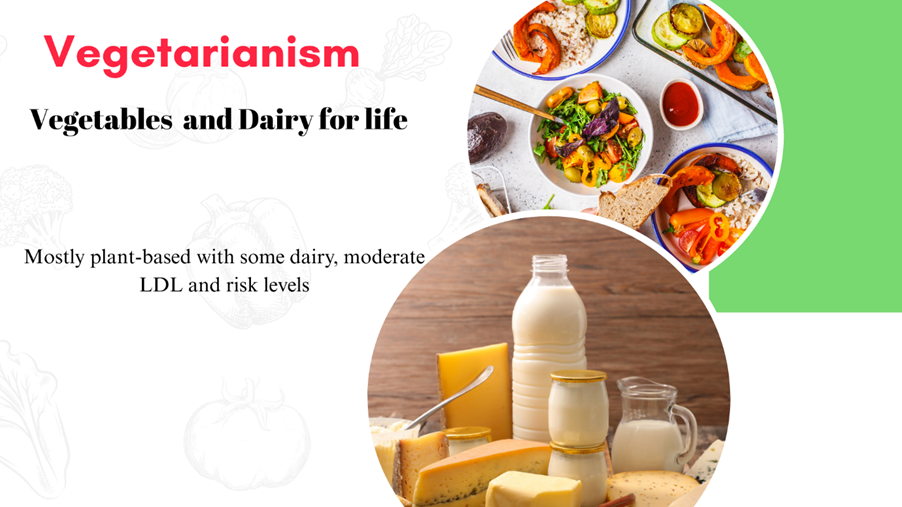
Figure 2 Vegetarian diets include vegetables and limited dairy, offering moderate benefits for heart and metabolic health.
Many studies have revealed that vegans and vegetarians have lower LDL cholesterol levels, a lower impact on blood pressure, and a reduced risk of cancer. Vegans are more likely to have less LDL cholesterol and less blood pressure risk compared with vegetarians. Because they slightly depend on animal sources of dairy products. There are higher chances of Cholesterol and blood pressure issues among those who have a habit of non-vegetarian food styles.
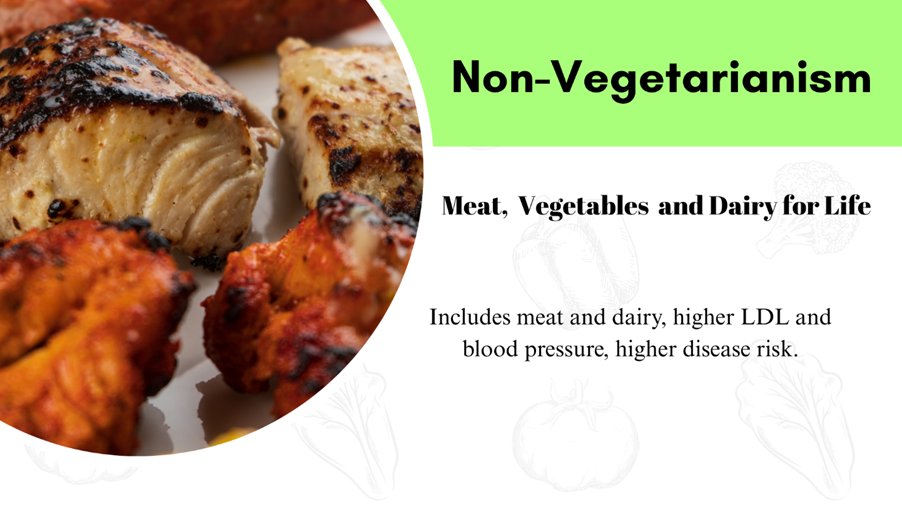
Figure 3 Non-vegetarian diets with meat and dairy may raise LDL cholesterol and blood pressure, increasing health risks.
|
Category |
Diet |
LDL-Cholesterol |
Blood Pressure |
Health Impact |
|
Vegans |
Depends on Vegetables |
Less |
Less |
Lower risk of Heart, Diabetes and Cancer |
|
Vegetarians |
More on vegetables, less on dairy |
Less |
Less |
Medium risk of Heart, Diabetes and Cancer |
|
Non-Vegetarians |
Including Meat, Dairy and Vegetables |
More |
More |
Probably more risk compared to Vegans and Vegetarians |
Managing weight with a plant-based Diet:
Weight management is crucial for managing chronic diseases. Studies have revealed that the habit of a plant-based Diet helps us manage weight loss. Vegans can manage their BMI. However, non-vegetarians often struggle to manage weight loss. Even vegetarians, who occasionally depend on animal sources for food items, are also at risk of developing weight and long-term effects on diabetes and hypertension.
Changes in dietary plan and behaviour made significant improvements in overall health. adopted a diet with less sodium and adopted a plant-based Diet, which means vegan. After four months, important changes may happen. The results show a reduction in HbA1c and Cholesterol . Also read more about Keto diet
Conclusion:
These changes have been made because a plant-based diet is rich in multivitamins, minerals, antioxidants, Fibre, and protein. It effectively manages weight and reduces BMI levels—50% more chance of type-2 diabetes for vegetarians compared to vegans. Haemoglobin A1c was also reduced effectively. The Ornish study revealed that atherosclerosis is reduced by adopting a plant-based Diet. Reduced
Reference:
1. Timothy J Key 1, Keren Papier, Plant-based diets and long-term health: findings from the EPIC-Oxford study, Proc Nutr Soc, 2022 May;81(2):190-198, doi: 10.1017/S0029665121003748. Epub 2021 Oct 27.
2. Philip J tuso, MD; Mohamed h ismail, Nutritional Update for Physicians: Plant-Based Diets, Perm J 2013 Spring;17(2):61-66, https://doi.org/10.7812/TPP/12-085.
3. https://www.medicalnewstoday.com/articles/325478
4. https://en.wikipedia.org/wiki/Vegetarianism